Cudium's Blog

Step by step guide on Importation
Blog, Insights

How to Start Importing from China: Your Step-by-Step Guide with Cudium

Starting your import journey from China can open up exciting business growth opportunities, but it also comes with challenges like finding reliable suppliers and navigating complicated cross-border payments. At Cudium, we empower African businesses and importers by simplifying international payments to suppliers in China and over 120 countries, making your import process faster, secure, and transparent. Here’s your detailed guide on how to start importing from China — plus how Cudium helps your business thrive every step of the way. Why Importing from China is a Smart Business Move China is the world’s manufacturing powerhouse, offering a vast range of products at competitive prices. Importing from China can boost your profit margins and expand product variety. Yet, many aspiring importers face common difficulties: finding trustworthy suppliers, managing shipping logistics, and handling costly, slow international payments. Cudium removes payment pain points so you can focus on growing your business. Step 1: Conduct Thorough Market Research for Importing Goods from China Before you place your first order, understand your local market’s demand, popular product trends, and competitor pricing. Platforms like Jumia and Konga can help you gauge customer preferences. Factor in shipping, customs duties, and other costs to ensure profitability. Step 2: Choose the Right Products to Import from China Not every product is suitable for import. Prioritize goods with steady demand and good profit margins. Avoid restricted items and request samples to verify quality before buying in bulk. Consider product size and shipping costs that affect your total investment. Step 3: Find and Verify Reliable Suppliers in China Use trusted sourcing platforms like Alibaba and AliExpress. Carefully vet suppliers by reviewing ratings, certifications, and communication responsiveness. Start with small orders to test product quality and supplier reliability. Step 4: Understand Legal and Compliance Requirements Learn about import regulations, tariffs, and the documentation needed for customs clearance. Ensuring compliance prevents delays and penalties, protecting your investment. Step 5: Place Your Order and Negotiate Payment Terms Discuss minimum order quantities and payment schedules clearly with your supplier. Many suppliers request deposits before production. It’s essential to use secure payment methods that protect your funds. Step 6: Choose the Best Shipping Method and Manage Logistics Decide between air freight for speed or sea freight to save on costs. Understand the terms well to know responsibility for shipping, duties, and delivery. Plan for potential delays around Chinese holidays. Step 7: Inspect Quality and Handle Customs Clearance Once your shipment arrives, verify product quality, packaging, and compliance with local standards. Work with customs brokers if needed to expedite clearance. Pay import taxes promptly to avoid cargo holds. How Cudium Simplifies Your Cross-Border Payments Paying your Chinese suppliers is often one of the biggest hurdles. Traditional payment methods can be expensive, slow, and opaque. Cudium transforms this by providing fast, secure payments with transparent fees. You can send USD, EUR, and GBP payments, usually settled within 24 hours, helping you avoid delays that disrupt your supply chain. Why Cudium is the Best Partner for Importers from China Real Importers’ Testimonials “Cudium sped up our supplier payments and cut through complex banking delays. Now, we focus more on sourcing and less on payment headaches.” — Amaka N., Supply Manager Get Started Today with Cudium Download the Cudium Business app on iOS or Android and start making effortless, transparent international payments. Sign up now to unlock the best way to pay your suppliers in China and grow your import business with confidence. Frequently Asked Questions By Importers About Cudium Q: How fast can I pay suppliers with Cudium?A: Payments are processed within 24 hours for most transactions. Q: Can I easily add new suppliers and manage beneficiaries?A: Yes, you can securely add and manage supplier accounts directly within the app. Q: Are there hidden charges?A: No, Cudium’s pricing is clear and competitive, with no surprise fees. Q: How secure are my payments?A: We use bank-level encryption and robust compliance protocols to protect your transactions. With Cudium, taking the first step in importing from China is easier than ever — from choosing products to making final payments. Join thousands of African businesses scaling globally with Cudium’s seamless international payment solutions.
Best Ways to Make International Transactions
Blog, Insights

Cudium: The Best Way to Make International Transactions

Are international payments frustrating and complicated? Are delays, high fees, and confusing processes slowing your business down? If this sounds familiar, you’re not alone. Many importers and business owners face similar challenges when sending money abroad. With Cudium, one of the best ways to make international transactions, sending USD payments to your suppliers is fast, secure, and hassle-free. Here’s how Cudium simplifies international payments and why it stands out among traditional methods. How International Payments Work and Why They Can Be Complicated International payments involve transferring money from a business bank account in one country to another in a different country, often involving currency conversions and several intermediaries such as correspondent banks. These intermediaries increase transaction fees, processing times, and the risk of delays or errors. Traditional payment methods like wire transfers or letters of credit come with drawbacks including high fees, slower settlement times, and complex procedures that can be overwhelming for small and medium businesses. How To Send USD Transactions on Cudium: Simplified Step-by-Step Your transaction will be processed within 24 hours, ensuring same-day settlements and improved cash flow management. Best Ways to Make International Transactions: Comparing Cudium and Other Methods Wire transfers are a common method for cross-border payments with processing times from 1 to 5 days and fees from $0-$50. They are secure and reliable but can be costly and require precise banking details. When to use: Large, time-sensitive payments to trusted suppliers. Gateways like PayPal, Stripe, and others facilitate online payments with multi-currency support and integration with e-commerce platforms. They offer quick settlement but may have higher transaction costs and limited acceptance in some regions. When to use: E-commerce sales and diverse payment method acceptance. These bank-issued guarantees reduce payment risk by releasing funds only when contract terms are met. While secure, letters of credit are expensive (0.75%-1.5% fees) and slow due to complex documentation. When to use: High-value contracts with new suppliers requiring payment assurances. ACH facilitates bank-to-bank electronic payments with lower fees but slower processing (3-5 days) and limited international availability. When to use: Routine payments like payroll or regular supplier payments within accepted regions. Crypto transfers can be fast and cost-effective with no currency exchange issues but expose businesses to volatility and regulatory uncertainties. When to use: Cross-border payments facing currency restrictions or seeking rapid settlement. Widely accepted and convenient, credit cards offer protections but entail higher fees (1-3%) and are less cost-efficient for large sums. When to use: Business travel and smaller international expenses. Traditional, traceable methods accepted globally but very slow, often taking weeks, and risk fraud or loss. When to use: Payments in countries with limited digital payment infrastructure. Electronic Funds Transfers typically process same-day with lower fees and increased security but depend on bank account availability and can have delays over weekends. When to use: Regular payments to suppliers across multiple countries, especially in Europe. Designed for Eurozone countries, SEPA transfers are low-cost, fast (1-2 days), and standardized but limited to euro payments between SEPA-member banks. When to use: Euro payments within the Eurozone. The global standard for international bank payments in any currency, SWIFT offers reliable, traceable payments but with higher fees and variable processing times (several days). When to use: Payments outside the Eurozone, in less common currencies or countries. Why Cudium is a Superior Choice for International Business Payments Real Use Cases for Cudium What Our Customers Are Saying Lawal Qauyum Ayodeji shares his experience using Cudium Getting Started With Cudium Sign up today on the Cudium Business app and enjoy the best way to make international transactions in USD, EURO and POUNDS.  No hidden fees, just seamless cross-border payments at your fingertips. Download App:  Android iOS Or Book a demo with us on our website today.💙 Frequently Asked Questions About International Transactions on Cudium Q: How fast are payments processed on Cudium?A: Transactions are processed within 24 hours, enabling same-day settlements. Q: Can I add new suppliers easily?A: Yes, simply add new beneficiaries by entering their bank details in the app. Q: Are there any hidden fees on international payments with Cudium?A: No, Cudium offers transparent pricing clearly displayed before payment submission. Q: How secure are transactions on Cudium?A: Cudium uses advanced encryption and compliance measures to protect your funds and data. Q: What currencies can I send on Cudium?A: Our platform supports multiple currencies like USD, GBP, EUR and NGN.

Insights

Africa’s Contribution to Global Trade: Unlocking Growth Through Seamless International Payments

Did you know that global trade surged by $300 billion in just the first half of 2025? Despite this impressive growth, Africa currently contributes only about 3% to this enormous figure. This gap reveals both the vast opportunities ahead and the obstacles that African businesses face in expanding their international reach. One major hurdle? Smooth and seamless international payments. At Cudium, we understand that Africa’s potential in global commerce hinges on overcoming these challenges. Our platform is built specifically for serious African businesses, empowering them to move money across borders swiftly and affordably—unlocking new trade opportunities worldwide. The Growing Importance of Africa’s Role in Global Trade Africa has often been underestimated in global trade discussions, yet it hosts some of the fastest-growing economies worldwide and a wealth of natural resources, innovative sectors, and youthful entrepreneurs. With the African Continental Free Trade Area (AfCFTA) boosting intra-African trade, the continent is not just supplying raw materials but increasingly becoming a hub for manufacturing, technology, and services. By positioning Africa as an emerging trade powerhouse, global businesses can benefit from accessing new consumer markets and diverse resources. Cudium’s solutions help businesses tap into this dynamic environment, leveraging local insights and technology to navigate Africa’s evolving trade networks efficiently. Why International Payments Matter for Africa’s Contribution to Global Trade Africa’s contribution to global trade is not just about the volume of goods and services exported or imported; it’s equally about the efficiency of the underlying financial transactions that enable those trades to happen. Delayed payments, exorbitant exchange rates driven by unreliable middlemen, and complex payment procedures all undermine the ability of African enterprises to compete on equal footing globally. These issues create friction that stalls growth and keeps promising businesses from tapping into global markets. By simplifying and accelerating cross-border payments, we open the door for African companies to trade faster, expand more confidently, and contribute more meaningfully to international commerce. How Cudium Facilitates Africa’s Increasing Role in Global Trade Cudium’s platform was tailor-made to address the specific pain points African businesses face when sending and receiving payments internationally. By eliminating unnecessary intermediaries and using technology to provide real-time, cost-effective transactions, Cudium is changing the game for African trade. This seamless payment experience reduces costs and delays, empowering businesses to focus on growth rather than worrying about money transfers. As African enterprises gain smoother access to global markets, the continent’s share of global trade is set to rise significantly. The Future of Africa’s Contribution to Global Trade with Technology and Innovation Technology-driven platforms like Cudium are essential catalysts in transforming Africa’s global trade story. As infrastructure improves and digital innovation flourishes on the continent, the barriers to international commerce lessen. This creates a fertile environment for businesses to thrive and contribute increasingly to the world’s economic fabric. By fostering faster, transparent, and more reliable trade payments, Cudium supports the smooth flow of goods and services from Africa to the world — reinforcing the continent’s growing importance in global trade networks. Unlocking Bigger Growth: Africa’s Contribution to Global Trade with Cudium The future of Africa’s contribution to global trade depends on removing bottlenecks like inefficient international payment systems. With Cudium’s cutting-edge platform designed for African businesses, trade becomes smoother and growth becomes bigger. We are proud to support African entrepreneurs and companies as they step into the global arena with confidence. Because when payments are seamless, markets expand, businesses flourish, and Africa strengthens its position as a vital player in global commerce. Cudium: Built for serious businesses. Get started now: Download Cudium 👇 Android iOS Or Book a demo with us today.💙

cross-border payment
Insights

Why African Businesses Need Specialized Cross-Border Payment Solutions

Cross-border transactions are growing at an unprecedented pace worldwide. In Africa, this growth is even more remarkable, driven by expanding global trade, borderless e-commerce, and a surge in digital businesses. According to recent forecasts, Africa’s digital payment economy is expected to reach $1.5 trillion by 2030, underscoring the critical role of cross-border payments in fueling business growth across the continent. However, African businesses face unique challenges that make generic payment solutions insufficient. To thrive in this dynamic environment, they need specialized cross-border payment platforms designed to address the continent’s distinct financial, regulatory, and infrastructural landscape. The Unique Landscape of Cross-Border Payments in Africa Africa’s financial ecosystem is complex and fragmented. With 54 countries, each with its own banking infrastructure, regulatory frameworks, and currencies, businesses operate in a patchwork of systems that often don’t communicate seamlessly. Over 40 different currencies are used across the continent, with many businesses relying on intermediary currencies like the US Dollar (USD) and Euro (EUR) to facilitate trade. This currency fragmentation, combined with varying Know Your Customer (KYC), Anti-Money Laundering (AML), and licensing regulations, creates significant hurdles for cross-border transactions. Furthermore, traditional banking channels often impose high transaction costs—sometimes exceeding 7-20% of the payment value—and slow settlement times that can stretch from three to ten business days. These challenges disproportionately affect small and medium enterprises (SMEs), entrepreneurs, and payment agents who rely on fast, affordable, and transparent payments to maintain cash flow and supplier trust. Key Challenges African Businesses Face in Cross-Border Payments High Transaction Costs Traditional correspondent banking systems and international money transfer services often charge hefty fees. For SMEs and entrepreneurs operating on tight margins, these costs can erode profitability and limit growth opportunities. Currency Fragmentation and Volatility The lack of a unified currency and frequent exchange rate fluctuations introduce pricing uncertainties. Businesses struggle to manage FX risk, which can lead to unexpected losses. Regulatory and Compliance Complexities Diverse regulations across countries require businesses to navigate a maze of compliance requirements, slowing down payments and increasing administrative burdens. Lack of Interoperability and Infrastructure Disconnected payment rails and limited financial infrastructure hinder seamless transactions, forcing businesses to rely on multiple intermediaries. Payment Speed and Transparency Issues Slow payment processing and opaque fee structures disrupt cash flow and damage supplier relationships, making it difficult for businesses to plan effectively. Why Generic Payment Solutions Fall Short for African Businesses Many global payment platforms are designed with a one-size-fits-all approach that doesn’t account for Africa’s unique challenges. They may lack support for local currencies, fail to navigate complex regulatory environments, or provide limited integration with local payment systems. Traditional banks and informal money agents often cannot offer the speed, transparency, or compliance businesses demand. This gap creates a pressing need for specialized solutions tailored to African market realities. The Need for Specialized Cross-Border Payment Solutions Tailored Currency Support and FX Management Specialized platforms support local currencies like the Nigerian Naira (NGN) and West African CFA Franc, alongside major global currencies. They offer transparent FX rates and tools like instant VETR (Verified Exchange and Transaction Reporting) to help businesses manage volatility and costs. Compliance and Regulatory Expertise These platforms embed compliance mechanisms that automatically adapt to country-specific regulations, reducing delays and administrative overhead. Faster, Transparent, and Affordable Payments By leveraging modern technology and local partnerships, specialized providers enable same-day or near-instant payments with real-time tracking and clear fee disclosures. Support for Underbanked and Informal Sectors Fintech platforms empower businesses and payment agents who lack access to traditional banking, providing inclusive financial services through mobile-first solutions. Integration with Local Payment Rails and Ecosystems Interoperable systems connect multiple countries and currencies, enabling seamless, end-to-end transactions without unnecessary intermediaries. How Cudium Addresses African Businesses’ Needs Cudium is built from the ground up to solve these challenges. Our platform supports multiple currencies—including Naira, USD, GBP, and EUR—and offers virtual accounts and virtual cards to simplify international transactions. We deliver payments in under 30 minutes, backed by transparent pricing and instant VETR, so businesses always know what they pay and what their suppliers receive. Our fully compliant system ensures regulatory adherence without sacrificing speed or ease of use. With 24/7 human support via WhatsApp and other channels, Cudium is a trusted partner for SMEs, entrepreneurs, payment agents, and corporates who demand reliability and clarity in their cross-border payments. Real-World Impact: Success Stories and Use Cases Many African businesses have transformed their operations with specialized payment platforms like Cudium. For example, importers have cut payment turnaround times from days to under an hour, strengthening supplier relationships and expanding product lines. Payment agents have scaled their client base without risking fraud or delays, thanks to seamless money recall and real-time tracking. The Future of Cross-Border Payments in Africa Emerging technologies such as blockchain, stablecoins, and API-driven automation promise to further revolutionize payments. Regional initiatives aimed at harmonizing regulations and improving infrastructure are underway, setting the stage for a more connected African financial ecosystem. To stay competitive globally, African businesses must embrace specialized, innovative payment solutions that address their unique needs. Generic payment platforms cannot meet the complex demands of African businesses operating in a fragmented, fast-evolving landscape. Specialized cross-border payment solutions like Cudium provide the speed, transparency, compliance, and affordability that businesses need to thrive. If you’re ready to experience a payment platform built for serious African businesses, explore how Cudium can power your global trade confidently and without friction. Get started with Cudium today and move money across borders like a boss. Download Cudium now! Android iOS

Cudium: Payment to China
Insights

How to Pay Your China Suppliers Without Getting Ripped Off

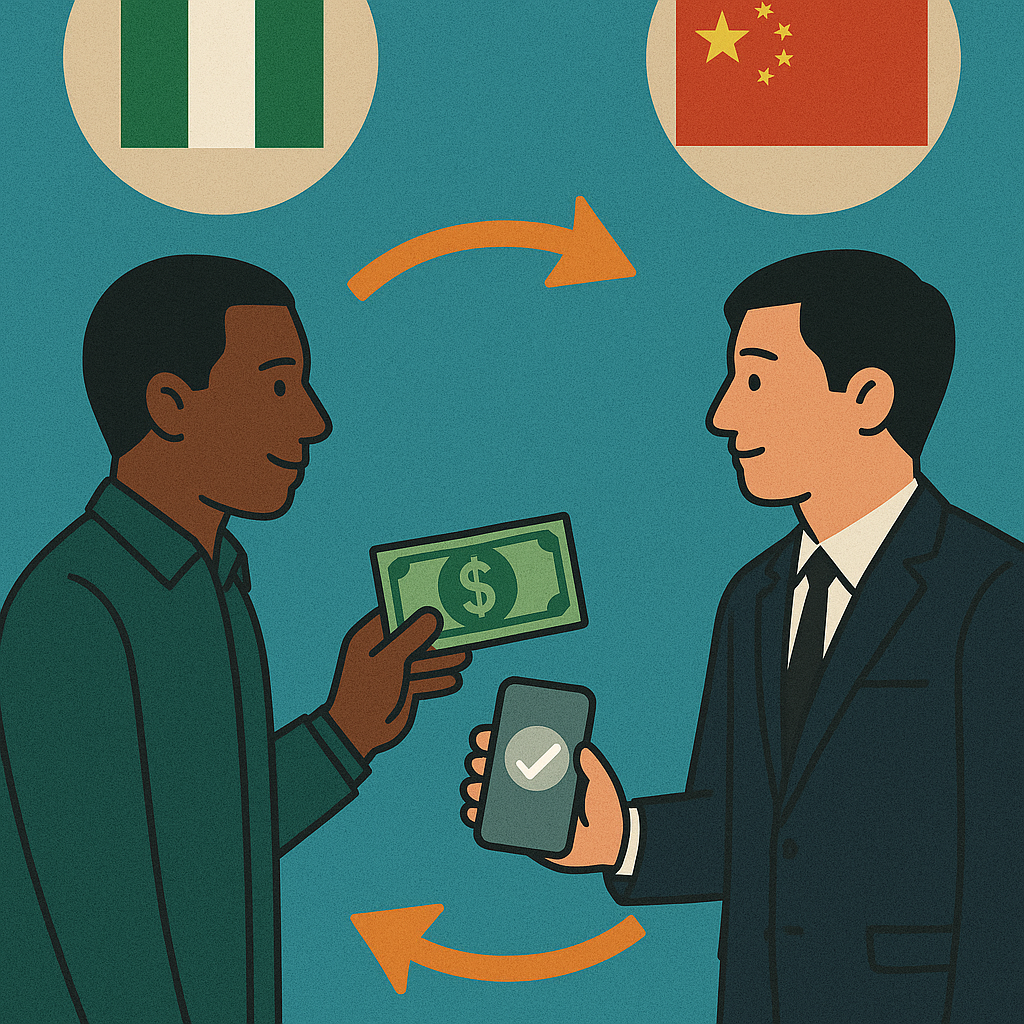
If you import from China, you’ve probably heard (or lived) the horror stories: The truth is, paying suppliers in China from Nigeria isn’t as simple as it looks, especially if you’re doing it the wrong way. This post will show you the smartest, safest ways to send money to China and how to protect your business from losing millions. The 3 Most Common Mistakes Importers Make 1. Using Informal Agents Without Structure That guy on WhatsApp who says, “Send me the naira, I’ll handle it”, sounds easy, right? Until: No receipts. No recourse. No business. 2. Relying on Banks Alone While banks are “safe,” they’re rarely built for speed or flexibility. You might face: 3. Sending Money via WeChat or Alipay Randomly These platforms are common in China, but not designed for Nigerian importers. Sending funds through unknown WeChat contacts or unverified Alipay accounts exposes you to scams and blocks from Chinese financial authorities. What Smart Importers Are Doing Instead The smartest importers, the ones growing faster and getting priority with suppliers, use verified, business-grade payment platforms that are: That’s exactly what Cudium provides. Why Cudium Is the Best Way to Pay China Suppliers from Nigeria Cudium helps you send payments to your Chinese suppliers without stress, delays, or risks. We’ve built a system trusted by importers across Lagos, Onitsha, Kano, and Abuja. With Cudium: Stop guessing. Start paying like a pro. What a Cudium Client Said: “I used to send payments through one agent and I lost ₦3.2 million in one transaction. Cudium changed everything. I now pay my China supplier weekly without stress, and my supplier respects me more.”Mr Chinedu, Electronics Importer (Alaba Market) Here’s How to Pay Your China Supplier — The Right Way Ready to send your next payment the smart way?Start with Cudium. Trusted by importers. Built for peace of mind.

Blog, Insights

The New Age of Cross-Border Payments – What Every Nigerian Importer Needs to Know in 2025

2025 is shaping up to be an important year for international trade in Nigeria. More SMEs and large businesses are importing goods from countries like China, India, and the U.S. than ever before. But while sourcing products has gotten easier, one thing remains a massive headache: sending payments abroad. If you’re an importer in Nigeria, there’s a shift happening, and you need to be ready for it. Welcome to the New Age of FX Payments Cross-border payments have never been simple. It has never been a situation where you ‘walk into a bank, initiate a transfer, wait a few hours, and you’re done, never!’. The global economy is evolving, and so are the expectations of international businesses. Here’s what’s changing: And in the middle of all of this are Nigerian businesses — trying to keep up, compete, and grow. The 3 Problems Holding Nigerian Importers Back Hope is not a business strategy. What the New Era Demands To thrive in this new trade era, Nigerian importers need tools that are: This is where modern fintech comes in — and why platforms like Cudium are leading the way. Why Cudium is Built for This Era Cudium isn’t just a payment tool. It’s a cross-border trade engine designed specifically for Nigerian businesses. We help you: Whether you’re a first-time importer or a seasoned businessman moving big volumes FX, Cudium gives you control, speed, and peace of mind. Stay Ahead or Fall Behind The world is moving fast. Supply chains are global, expectations are high, and delays cost real money. The Nigerian businesses that will win in 2025 are the ones that stop improvising and start using tools built for global trade.

Cudium Logo
Blog, Insights

Why Nigerian Businesses Lose Millions Trying to Pay Foreign Suppliers – And How to Stop It

In today’s fast-paced world of international trade, Nigerian businesses are importing more goods than ever before, from electronics and machinery to textiles and packaging materials. But while many have figured out how to find the right suppliers, a surprising number are still making costly mistakes when it comes to paying them. What many don’t realize is that the wrong payment method can quietly drain profits, damage supplier relationships, and even put your business at risk. The Real Cost of “Using Your Bank” Let’s face it, traditional banks in Nigeria weren’t built for the modern demands of international commerce. Payments can take 3 to 7 days (or more), and exchange rates are often far from market-friendly. Add compliance delays and manual paperwork, and you’ve got a recipe for frustration. Here’s how it hurts: Every day of delay = one more risk that your supplier ships to someone else. Informal Agents? A Risky Shortcut Many businesses turn to informal FX agents, thinking they’ll save money or move faster. But the truth is: this shortcut often leads to even bigger problems. Trust, once lost, is hard to regain. The Better Way to Pay Foreign Suppliers What you need is a modern solution designed for the realities of cross-border business. One that’s fast, reliable, compliant, and transparent. That’s where Cudium comes in. We help Nigerian businesses send payments to China, the USA, India, and beyond — without the delays, hidden costs, or FX drama. Real Business, Real Results Take Mr Chika, an electronics trader in Alaba. He used to lose over ₦4,000,000 monthly due to delayed bank transfers and poor exchange rates. After switching to Cudium, his suppliers receive funds in less than 24 hours, and his profit margins improved instantly. He is scaling faster, not because he changed suppliers, but because he fixed his payment process. Ready to Stop Losing Money? Your business deserves better than guesswork, black-market rates, or unreliable transfers.Cudium is the smarter way to pay your foreign suppliers.

Scroll to Top